


10 Best and Most Beautiful Cycling Routes in Poland – Distance, Difficulty and Practical Tips
Looking for the best cycling routes in Poland? We compare 10 outstanding options – from Velo Baltica and Green Velo to VeloDunajec, the Cycling Route Around the Tatras and the Eagles’ Nests Trail. Check distance, surface, difficulty, suggested touring time and official maps or GPX files.
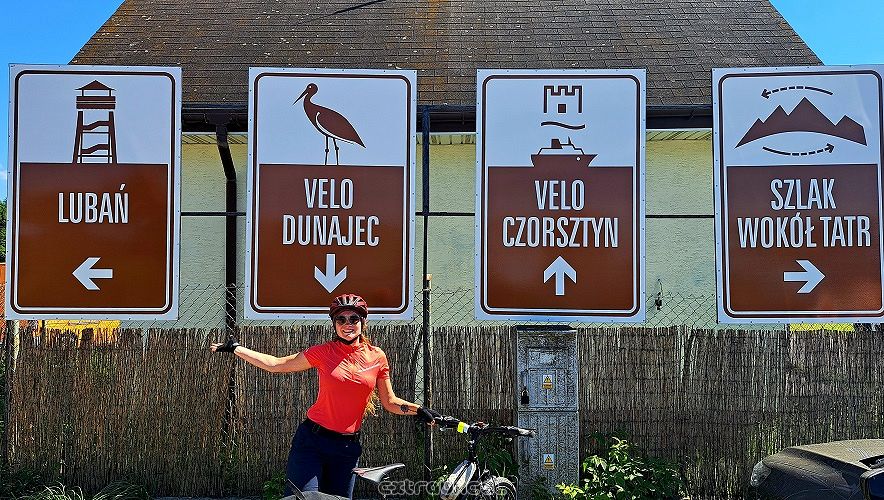
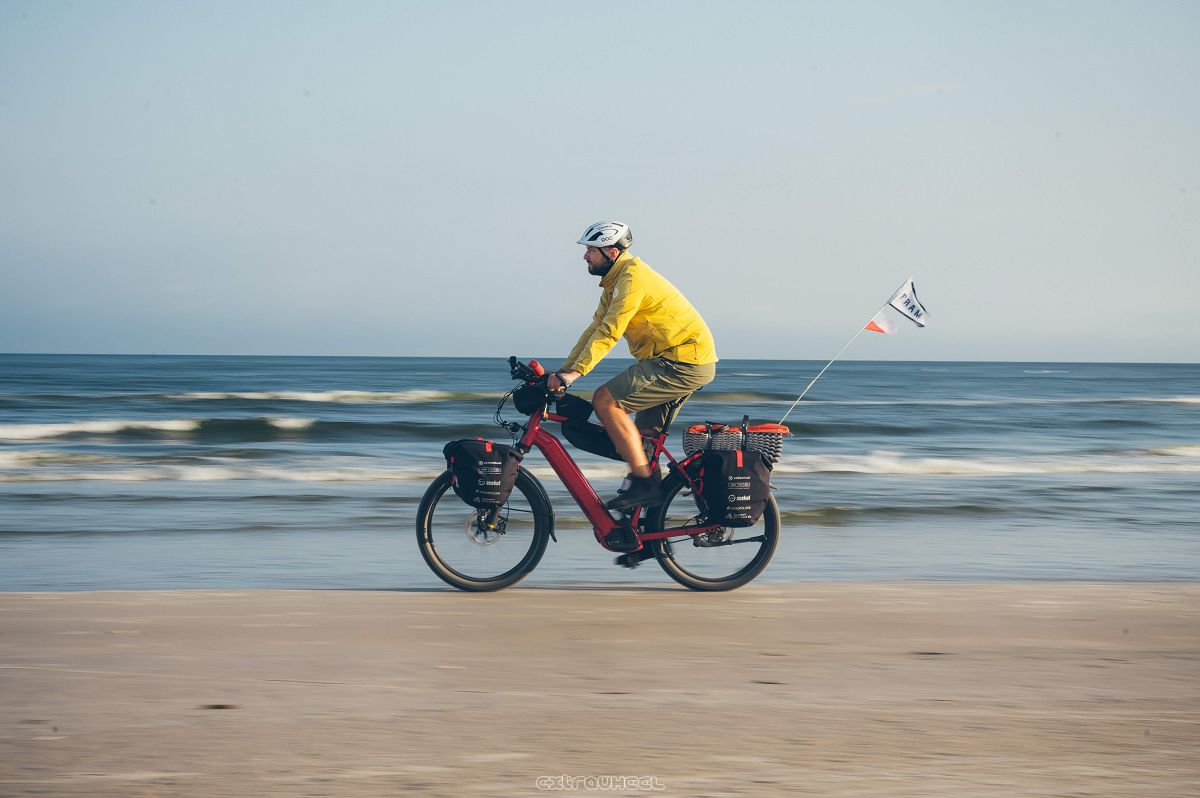
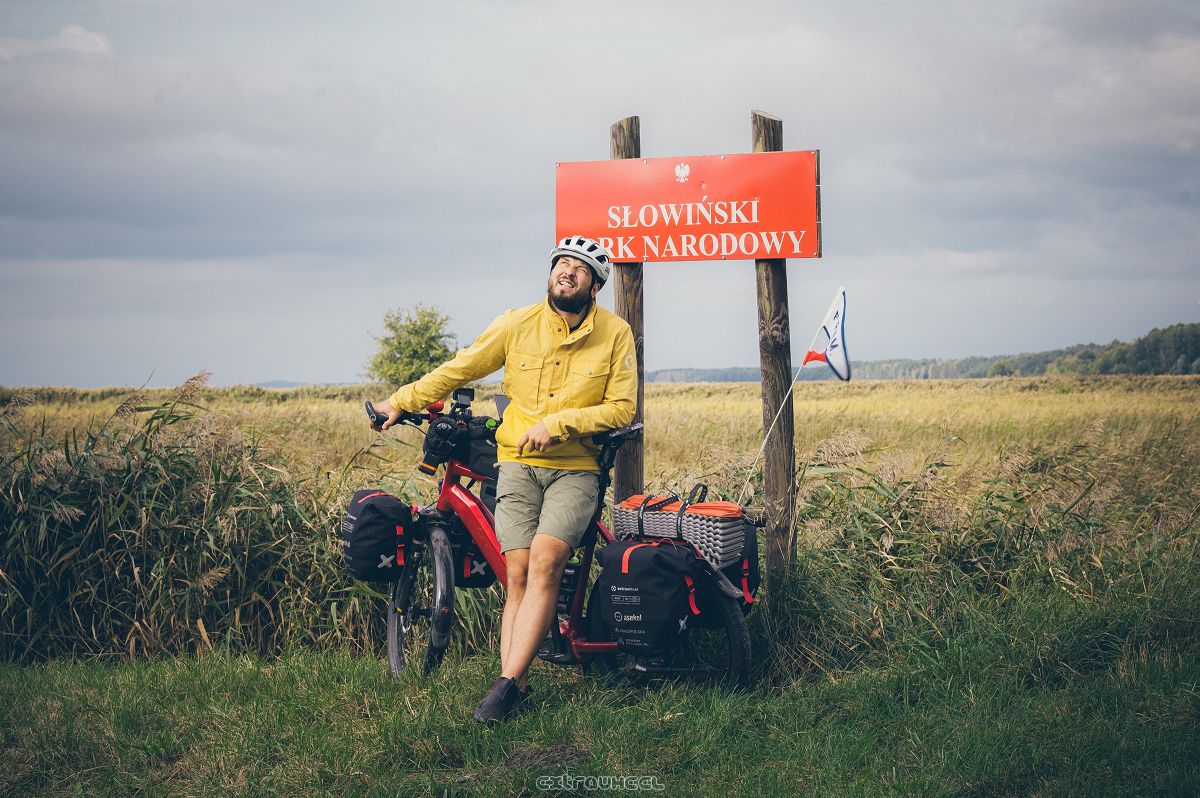
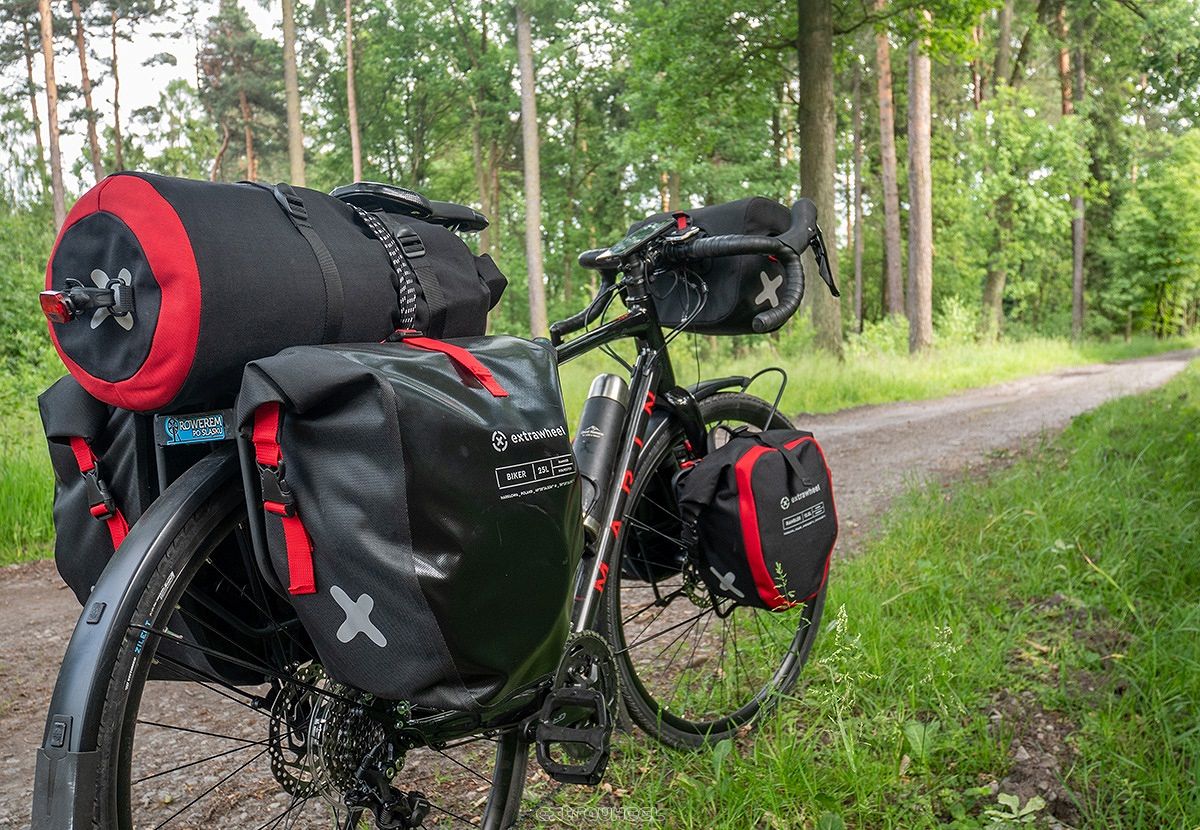

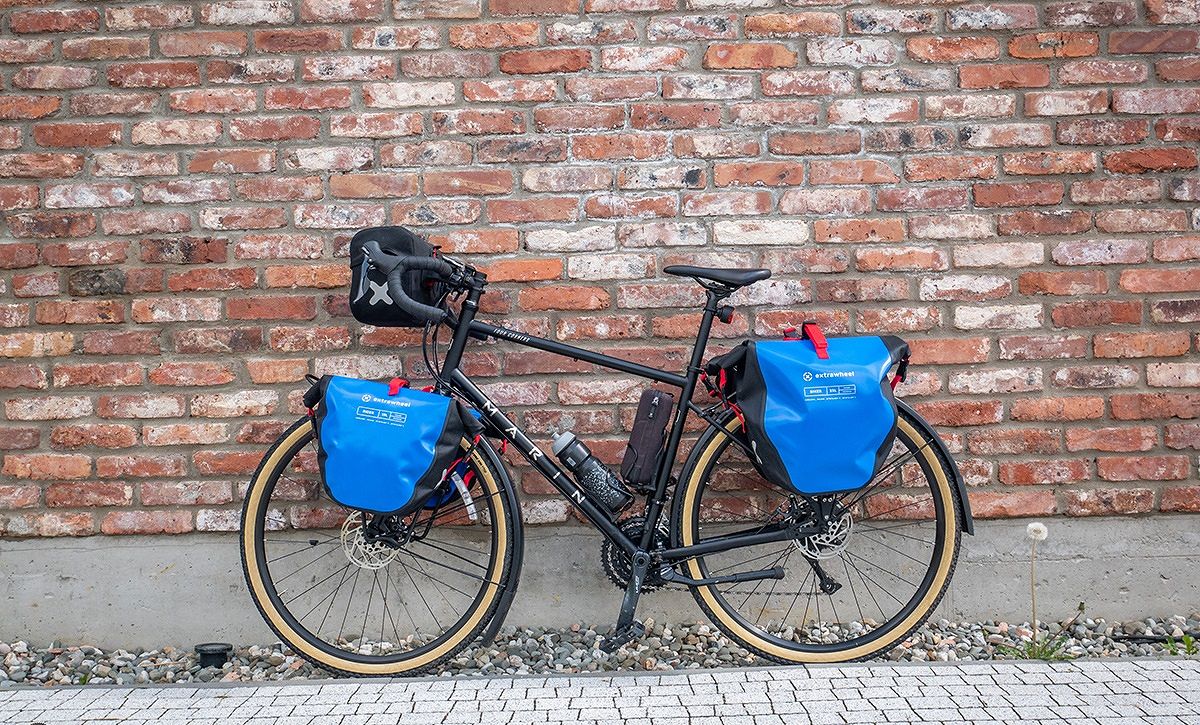
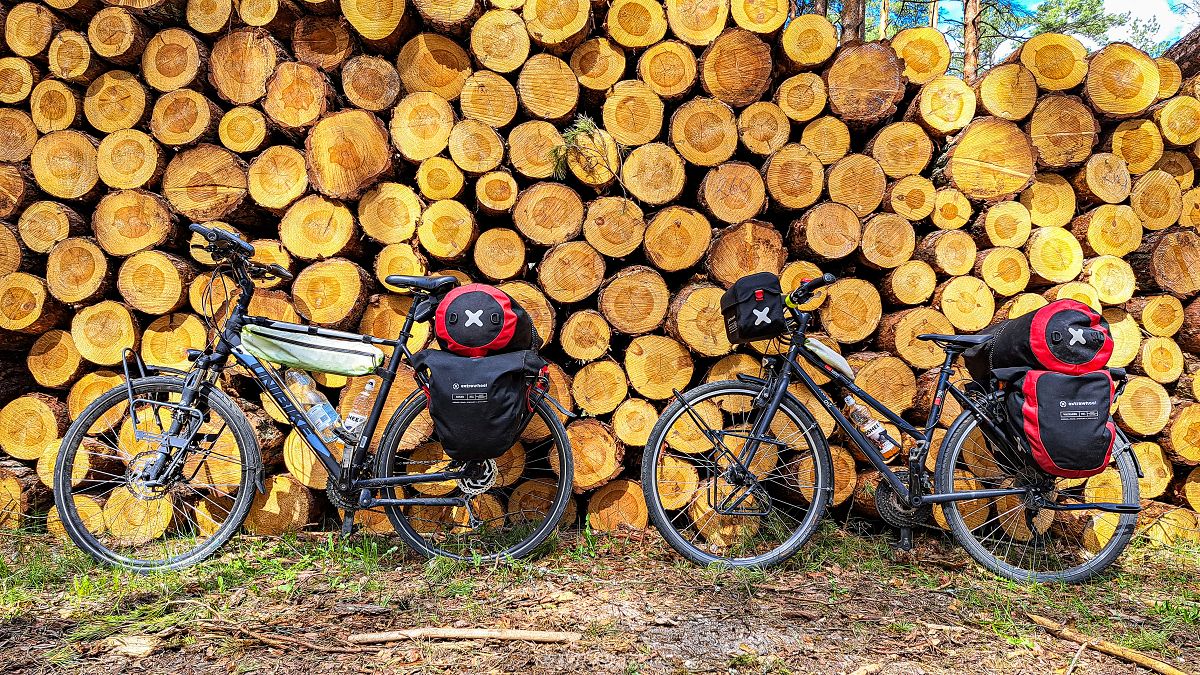
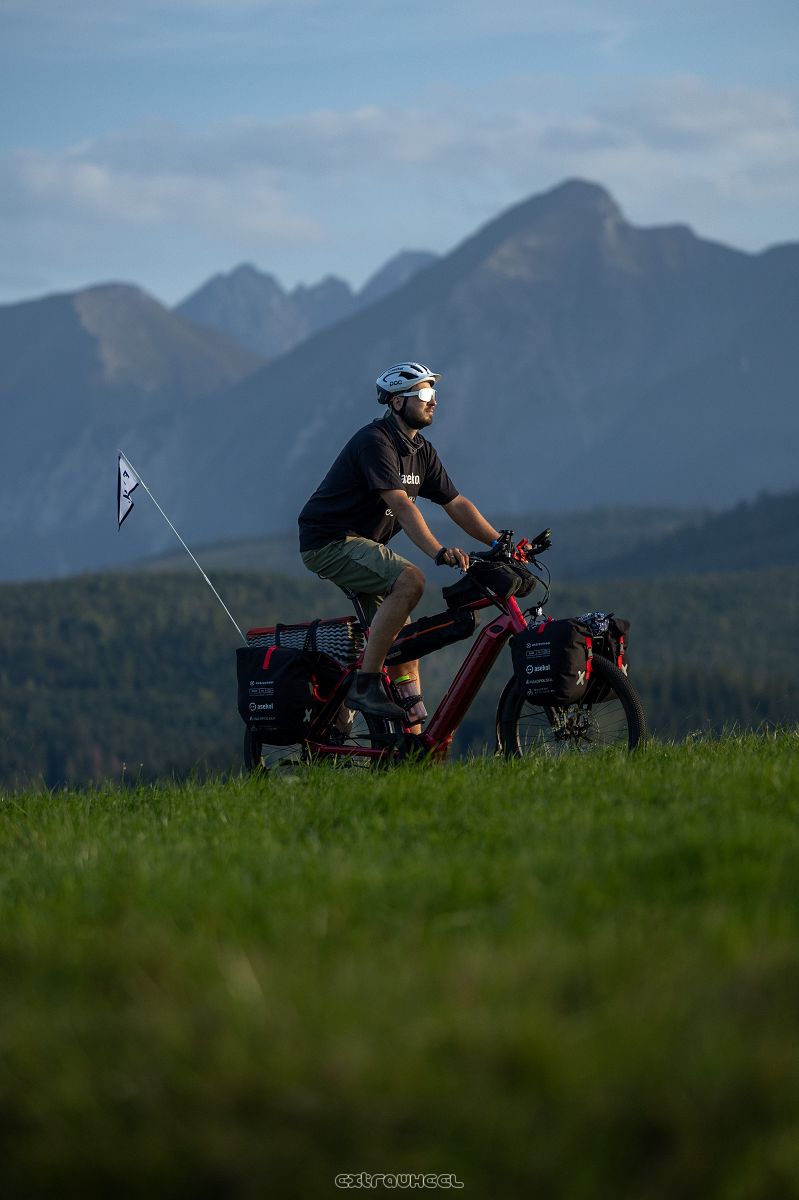
Poland offers an unusually varied network of cycling routes: short scenic loops around lakes, multi-day routes along the Baltic coast and through mountain regions, as well as long-distance trails stretching for hundreds or even thousands of kilometres. Instead of ranking routes by scenery alone, we selected 10 that combine memorable landscapes with the potential for planning a real day ride, weekend trip or longer bicycle tour.
For each route, we provide a specific variant or official route, distance, surface, important difficulty notes and a link to an official map or GPX source. The suggested touring times in the table are approximate and assume a comfortable pace with time for sightseeing, meals and rest rather than fast or sportive riding.
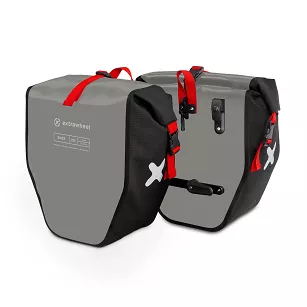
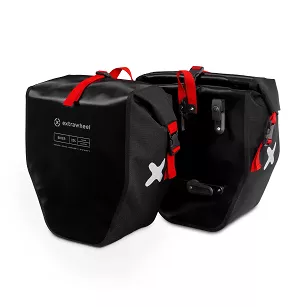
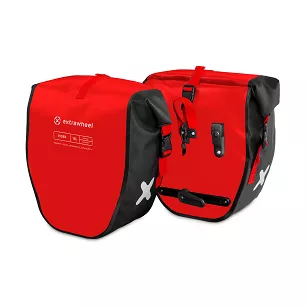
If you are planning several days on the road and carrying more equipment, it is worth thinking about your luggage system while choosing the route. bicycle panniers are particularly useful when you need space for clothing, overnight gear, food and equipment used during successive stages of a tour.
10 best cycling routes in Poland – quick comparison
| Route | Suggested route and distance | Difficulty | Surface | Suggested touring time |
|---|---|---|---|---|
| Velo Baltica | Świnoujście–Ustka, 235 km | easy | mainly asphalt and paving, with some gravel | 4–5 days |
| Green Velo | Końskie–Sandomierz, 197 km; main route 1,887.5 km | moderate | mainly paved surfaces, with local gravel sections | 3 days / several weeks for the full route |
| VeloDunajec | Nowy Targ–Nowy Sącz, 114.8 km; full route 237 km | moderate | mainly asphalt, with local gravel and unpaved sections | 2 days |
| Around Szczecin Lagoon | complete loop, 296 km | moderate | asphalt, paving, gravel and unpaved roads | 5–7 days |
| Vistula Cycle Route | Jawiszowice–Szczucin, current Lesser Poland route approx. 235 km | easy | mainly asphalt, with short unpaved sections | 3–4 days |
| Velo Czorsztyn | 30 km with ferry / 40 km without ferry | easy / moderate | asphalt | 3–4 hours |
| Cycling Route Around the Tatras | more than 250 km of prepared routes | depends on the chosen variant | asphalt, local roads and selected gravel sections | 4–6 days for a longer itinerary |
| Barycz Valley | Barycz Valley Cycling Trail, Grabówka–Bartniki, 53 km | easy | mostly hardened roads | 1 day |
| Eagles’ Nests Cycling Trail | Częstochowa–Kraków, approx. 190 km | difficult | asphalt, gravel, forest and unpaved roads | 3–4 days |
| West Pomeranian Lakelands Route | Siekierki–Miastko, 336 km | moderate | around 85% bituminous surface | 5–6 days |
The suggested touring times are approximate. Before departure, always check the current route, temporary closures, ferry availability and public transport information on the official website of the route.
1. Velo Baltica – cycling along the Baltic coast
Velo Baltica between Świnoujście and Ustka is 235 km long and forms the West Pomeranian section of the EuroVelo 10 and EuroVelo 13 international cycling routes. It is one of the best choices for cyclists planning their first multi-day tour without wanting a particularly demanding elevation profile.
The official route is divided into five main stages: Świnoujście–Dziwnówek 52 km, Dziwnówek–Kołobrzeg 59.6 km, Kołobrzeg–Mielno 35 km, Mielno–Darłowo 41.5 km and Darłowo–Ustka 46.5 km. This division provides a useful starting point when planning your first stage-based cycling holiday.
About 60% of the surface is asphalt, 19% paving, 16% aggregate or unpaved surface and around 5% concrete slabs. A major advantage is that a large part of the West Pomeranian section is separated from general motor traffic. During the summer season, however, some coastal sections can be busy with pedestrians and other cyclists.
Who is it for? Cyclists looking for a first multi-day tour, families with experienced young riders and anyone who values easy access to accommodation, restaurants, shops and railway connections.
Official map and GPX: Velo Baltica – West Pomerania cycling portal.
2. Green Velo – the biggest cycling adventure in this guide
The Green Velo Eastern Cycling Trail is on an entirely different scale. The main route is 1,887.5 km long, and the complete system exceeds 2,000 km when connecting routes are included. It crosses five regions of eastern Poland and can easily be ridden in separate sections rather than as one continuous multi-week journey.
If you only have a long weekend, a useful example is the 197 km Końskie–Sandomierz section. The Świętokrzyskie part of the trail includes asphalt roads, dedicated cycling infrastructure and selected gravel sections. Along the way, you can plan stops around Sielpia, Oblęgorek, Kielce, Raków, Ujazd and Sandomierz.
The greatest value of Green Velo is not a perfectly uniform surface – that would be unrealistic on a route of almost 2,000 km – but the opportunity to experience very different parts of eastern Poland. The full route runs from the Elbląg area through Warmia and Masuria, Podlasie, the Lublin region, Podkarpackie and Świętokrzyskie to Końskie.
What should you keep in mind? Green Velo should not be imagined as one continuous asphalt cycle path. Conditions and surroundings change considerably from region to region, so before each longer section it is worth checking the latest route file, surface information and available accommodation.
Official information: Green Velo official portal. Suggested section: Końskie–Sandomierz.
3. VeloDunajec – the foothills, Pieniny and the Dunajec Valley
VeloDunajec is planned as a 237 km route from Zakopane to Wietrzychowice. It crosses several very different parts of Lesser Poland, passing close to the Tatra Mountains, Lake Czorsztyn, the Pieniny Mountains, Stary Sącz and Nowy Sącz.
An important practical point is that the entire VeloDunajec route is not yet complete to one consistent standard. The official VeloMałopolska portal particularly recommends the completed southern section between Nowy Targ and Nowy Sącz. A suggested railway-station-to-railway-station itinerary covers 114.8 km, making it particularly suitable for a weekend ride.
This is one of the most varied routes in the guide in terms of scenery. There are, however, short steep climbs as well as selected gravel and unpaved sections. Particular attention should also be paid to detours around sections that are still under construction or in planning, as some alternatives use ordinary roads with motor traffic.
If you do not want to cover more than 100 km in a single day, dividing Nowy Targ–Nowy Sącz into two stages gives you much more time to enjoy Lake Czorsztyn, the Pieniny landscape and the Dunajec Gorge.
Official map and GPX: VeloDunajec – VeloMałopolska.
4. Around Szczecin Lagoon – a 296 km Polish-German loop
The Around Szczecin Lagoon route is 296 km long and forms a complete Polish-German loop. It runs through Szczecin, the Lake Dąbie area, Wolin, Świnoujście, the German part of Usedom, Anklam and Ueckermünde before returning to Poland.
The official route is divided into seven stages of approximately 36 to 53 km. This makes it particularly suitable for relaxed touring, leaving time for sightseeing, longer stops and enjoying the natural surroundings of the lagoon.
The surface is more varied than on Velo Baltica: there is asphalt, paving, aggregate and unpaved sections. A substantial part of the route is separated from general motor traffic.
Practical tip: take an identity document and check the current bicycle transport rules on public transport on both sides of the border. For a multi-day tour, it is also worth planning stages according to accommodation availability rather than distance alone.
Official map and GPX: Around Szczecin Lagoon – West Pomerania cycling portal.
5. Vistula Cycle Route – start with a specific region
The Vistula Cycle Route is intended to connect southern Poland with the Baltic coast, but the entire national route should not yet be treated as one completed, uniform cycling trail. For practical trip planning, it makes more sense to choose a developed regional section – for example, the route through Lesser Poland.
The current Lesser Poland itinerary, including detours around unfinished sections, is approximately 235 km from Jawiszowice to Szczucin. Much of the route follows the Vistula valley and river embankments, with a high proportion of the route separated from motor traffic.
The profile is generally gentle, although there are short steep climbs and several short gravel or unpaved sections. On long embankment sections, shops and food stops may be less frequent, so it is worth identifying places to refill water and buy food before setting off.
The route passes places such as Oświęcim, Tyniec, Kraków and Niepołomice before continuing east through the Vistula valley. Less experienced riders can also choose a shorter section and use the railway for the return journey.
Official map and current route: Vistula Cycle Route – VisitMałopolska.
6. Velo Czorsztyn – one of Poland’s best scenic day rides
There are two main ways to cycle around Lake Czorsztyn. The easier option is approximately 30 km and uses a boat crossing between Niedzica and Czorsztyn. The official riding time is around three hours. A second option is approximately 40 km, avoids the ferry and includes the climb over Osice Pass, making it a more demanding ride.
This distinction is important because Velo Czorsztyn is not, by itself, a multi-day cycling route. It is primarily an excellent day ride that can also be included as part of a longer VeloDunajec tour.
Much of the scenic section has a very good surface. The main attractions are Lake Czorsztyn, the castles at Niedzica and Czorsztyn, and views towards the Pieniny, Gorce and Tatra Mountains. If you choose the variant without the ferry, however, you need to be prepared for a significantly harder climb.
It is also useful to know that “Velo Czorsztyn” is a commonly used name rather than the formal name of one independent route. On the ground, you will also encounter VeloDunajec signage and signs for the cycling route around Lake Czorsztyn.
For a more detailed guide, see our dedicated article: Velo Czorsztyn – cycling around Lake Czorsztyn.
Official map and GPX: official Velo Czorsztyn route options.
7. Cycling Route Around the Tatras – through Poland and Slovakia
The Cycling Route Around the Tatras is more than a single cycle path. It is a developed network on both sides of the border, with more than 250 km of prepared cycling routes through the historic regions of Podhale, Orava, Liptov and Spiš.
One of the most accessible sections follows a former railway line from Nowy Targ towards the border near Chochołów and on towards Trstená in Slovakia. These sections provide smooth cycling away from general motor traffic and are also suitable for less experienced touring cyclists.
For a multi-day trip, it is better to treat the Route Around the Tatras as a network from which you can build your own itinerary using the current official map. A longer journey can connect Podhale, Orava and Slovak Spiš, but its difficulty will depend on the connectors and local roads you choose.
This is a route where downloading an up-to-date GPX file is particularly important. Different sections have different characteristics, and you should not assume that every kilometre will offer the same surface as the comfortable former railway section.
Official map and information: Cycling Route Around the Tatras – official website.
8. Barycz Valley – quiet cycling among ponds and nature
Barycz Valley is better understood as a cycling region than as one single route. For this comparison, we use the 53 km Barycz Valley Cycling Trail from Grabówka to Bartniki.
According to the Municipality of Milicz, around 78% of the route uses hardened roads. It follows quiet local and forest roads and shares approximately 19 km with the former narrow-gauge railway route. There are a few short sandy sections, but most of the route is well suited to recreational cycle touring.
The major attraction of the region is the Milicz Ponds landscape, together with Ruda Sułowska, forests, dykes and a large network of additional cycling routes. If 53 km is too much for a relaxed day, the region provides several shorter alternatives.
Who is it for? Riders looking for a peaceful weekend, a first longer ride with luggage, families and cyclists for whom wildlife and landscape are just as important as the number of kilometres ridden.
Official route information: cycling routes of the Municipality of Milicz.
9. Eagles’ Nests Cycling Trail – the Polish Jura is not flat
The Eagles’ Nests Cycling Trail connects Częstochowa and Kraków over approximately 190 km. It crosses the Kraków-Częstochowa Upland, passing medieval castles and ruins, limestone formations and wooded hills.
Unlike Velo Baltica or the Vistula Cycle Route, this is not primarily a smooth, separated cycle path. The official route is classified as difficult and includes varied surfaces, frequent climbs and descents, forest roads and rougher sections.
The biggest mistake is to judge the route only by distance. The rolling Jura terrain means that 60 km here can be substantially more demanding than a much longer stage on a flat riverside route.
When riding with luggage, secure mounting and sensible weight distribution become particularly important. Before the first demanding stage, a short test ride with the bicycle fully loaded is a good way to check handling on climbs, descents and uneven surfaces.
Official map and GPX: Eagles’ Nests Cycling Trail – official route.
10. West Pomeranian Lakelands Route – 336 km through lake country
The West Pomeranian Lakelands Route R20 is 336 km long and begins at the European Bridge in Siekierki before crossing a succession of lake districts in West Pomerania towards Miastko. It is an excellent option for riders who want a longer journey in a quieter environment than the busy Baltic resorts.
Around 85% of the route has a bituminous surface, with the remaining distance including aggregate, unpaved sections, paving and concrete slabs. A significant proportion of the route is separated from motor traffic. The southern section is particularly comfortable, using former railway corridors in several places.
The official route is divided into six main stages of roughly 44 to 72 km. In practice, this provides a natural five- or six-day itinerary without having to create every stage from scratch.
The route crosses the Myślibórz, Choszczno, Ińsko, Drawsko and Szczecinek lake districts. It is a strong choice for cyclists who prefer lakes, forests, small towns and long quiet sections to crowded holiday resorts.
Official map and GPX: West Pomeranian Lakelands Route – official portal.
Which route should you choose for your first multi-day cycling tour in Poland?
If your priorities are straightforward logistics, good infrastructure and relatively few difficult sections, Velo Baltica or the Lesser Poland section of the Vistula Cycle Route are particularly good places to start. Both make it comparatively easy to plan accommodation, shorten a stage or use railway connections.
For stronger mountain scenery, VeloDunajec is an excellent choice, particularly between Nowy Targ and Nowy Sącz. If you only have one day, Velo Czorsztyn offers one of the most scenic short cycling experiences in Poland.
The Eagles’ Nests Cycling Trail is better suited to riders who already have experience on mixed surfaces and are comfortable with repeated climbing. Green Velo is best approached in sections – after a few shorter trips, you can begin planning a much longer part of the complete route.
How should you prepare your luggage for a multi-day cycling route?
A route of 200 or 300 km does not automatically require a huge amount of luggage. What you need depends on the season, type of accommodation, access to food along the way and whether you are carrying camping equipment.
If you are building a luggage system, start with the equipment you genuinely plan to carry and choose the required capacity afterwards. Our guide Which Bicycle Panniers Should You Choose? explains the difference between compact 25–30 L sets and larger panniers designed for multi-day touring.
Weight distribution matters just as much as total capacity. Heavier equipment should generally be placed low, while the load on the left and right side of the bicycle should remain reasonably balanced. For a practical step-by-step explanation, see How to Pack Bicycle Panniers Properly.
On a multi-day tour you should also expect changing weather. Protection from rain depends not only on the fabric, but on the complete bag construction, the way panels are joined, the closure and correct use. We explain this in detail in What Makes Bike Panniers Waterproof?.
How should you use maps and GPX files before a cycling trip?
Even a well-marked cycling route can have temporary diversions, roadworks, closed river embankments, route changes or seasonal ferry connections. Before travelling, download the GPX track primarily from the official route website rather than relying only on an old track uploaded by another rider several years ago.
For a multi-day tour, check accommodation, railway stations, shops and places to refill water as well. On routes through less populated areas, long stretches without a large shop or restaurant are entirely possible.
If you downloaded a GPX file well in advance, open the official online map again shortly before departure. This gives you a chance to identify current diversions or temporary closures that may not be included in an older file already stored on your navigation device.
Summary – the best cycling routes in Poland
There is no single best cycling route for every rider. Velo Baltica is an excellent first stage-based tour, VeloDunajec combines cycling infrastructure with outstanding mountain scenery, Velo Czorsztyn is ideal for a scenic day ride, while Green Velo can form the basis of a journey lasting several weeks.
If you prefer more demanding and varied surfaces, consider the Eagles’ Nests Cycling Trail. For peace and nature, look at Barycz Valley or the West Pomeranian Lakelands Route. For an international trip without travelling far from Poland, the Cycling Route Around the Tatras and Around Szczecin Lagoon are particularly interesting choices.
The best route is ultimately the one that matches your fitness, available time and style of travel. Before setting off, check the latest route and GPX file, divide the distance into realistic stages and take a short test ride with the bicycle loaded as it will be during the trip.
Route information verified: 10 October 2026.
Distances, surfaces and route descriptions were checked primarily against official regional tourism and cycling-route portals responsible for the individual trails. Routes, diversions, ferry services and infrastructure can change, so always check the latest official map and route notices before departure.
About the author
Radosław Rakoczy – co-owner of Extrawheel, involved in the development and manufacture of bicycle panniers and bike bags, technical-material selection, mounting systems and luggage solutions for cycle touring.
 Polish
 German
 French