



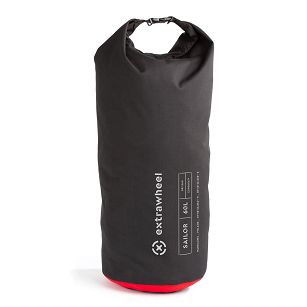

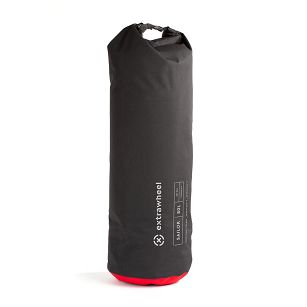
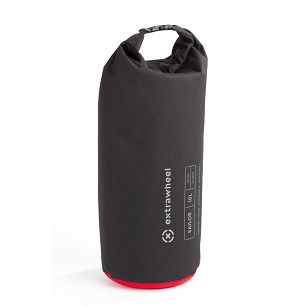
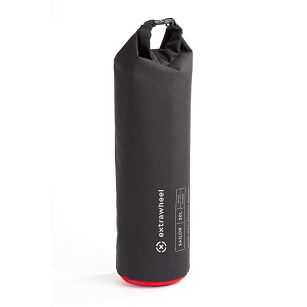
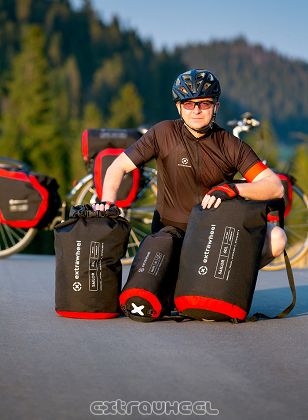
Waterproof dry bags made in Poland
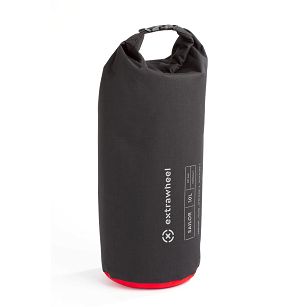
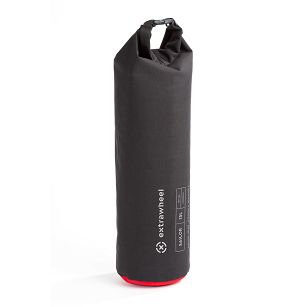
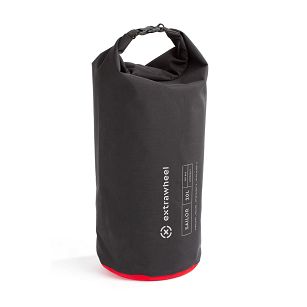
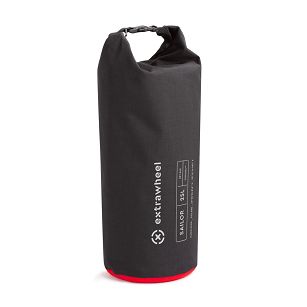
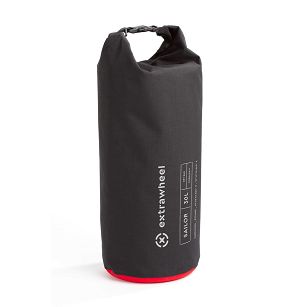
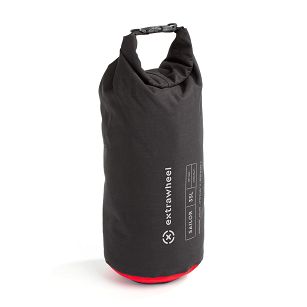
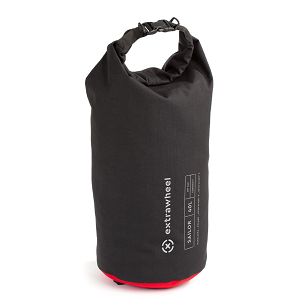
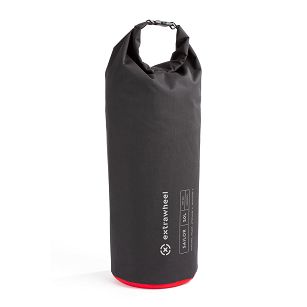
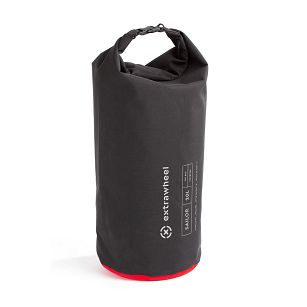
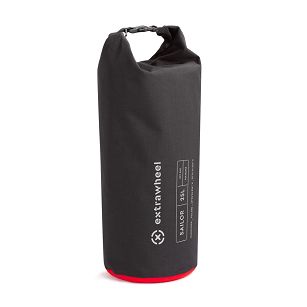
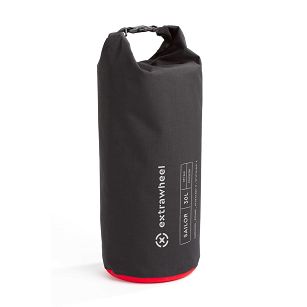
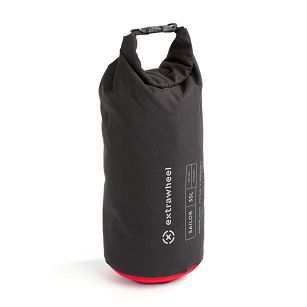
Extrawheel waterproof dry bags keep clothing, sleeping bags and camping equipment together on cycle tours, kayaking trips, paddleboards and boats. When correctly closed, they protect the contents from rain, splashes and dirt. Our range includes Sailor dry bags in coated polyester and Sailor Premium dry bags in Cordura, made in Poland in capacities from 10 to 80 litres.
Choose a size to suit your packed gear and the space available to carry it. A smaller bag keeps spare clothing separate, while a larger one accommodates bulkier camping equipment. In either case, leave enough room at the top to roll the closure properly.
Polyester or Cordura: which dry bag should you choose?
Coated polyester dry bags
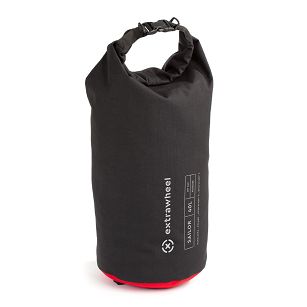
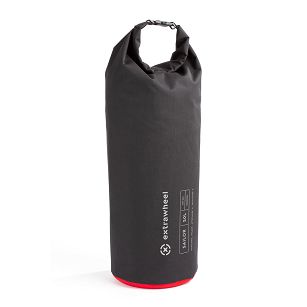
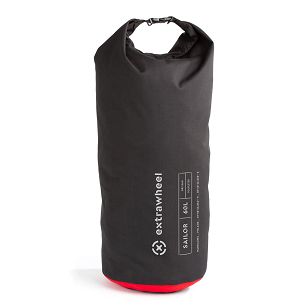
The Sailor range uses coated polyester fabric for carrying gear on cycling and water sports trips. The Sailor 40 L dry bag, for example, weighs 430 g. It measures 30 cm in diameter and 75 cm in height when open.
Cordura dry bags
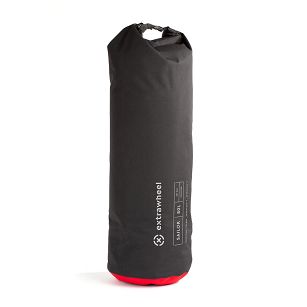
Sailor Premium bags use Cordura, a fabric known for its abrasion resistance. The Sailor Premium 40 L Cordura dry bag weighs 390 g, making it 40 g lighter than the polyester model of the same capacity. It also measures 30 cm in diameter and 75 cm in height before the top is rolled down.
Both ranges have sewn panels, taped seams and a roll-top closure. For other capacities, compare the specifications on the individual product pages: the weight difference above applies specifically to the two 40 L models.
What size dry bag do you need?
Start by gathering the equipment you want to carry and checking its packed size. Sleeping bags and tents vary considerably in bulk, so compare the dimensions of the dry bag as well as its capacity in litres.
- 10–20 L: a separate bag for spare clothing, a towel or a smaller selection of equipment.
- 25–40 L: a larger clothing kit or sleeping equipment, provided the packed items fit and leave enough room to close the bag.
- 50–80 L: bulkier camping equipment or a larger load, where sufficient carrying space is available.
These are starting points for choosing a size. The height of an open dry bag is not its usable height once closed. Check the diameter and leave enough fabric above the contents for four full rolls of the top.
Dry bags for cycle touring and water sports
Carrying a dry bag on a bike rack
A dry bag on top of a bike rack can carry light, bulky items such as a sleeping bag, clothing or part of your camping kit. Pack heavier items lower down in bicycle panniers, keeping the load balanced between both sides of the bike.
Match the bag to the rack platform and secure it with suitable luggage straps. Check that the loaded bag cannot shift, cover your lights or reach the wheel. Secure loose strap ends and stay within the load limit of the rack.
Our Bornholm cycle touring story shows Sailor 40 L dry bags carrying additional camping equipment on rear racks. To carry smaller items elsewhere on your bike, explore Extrawheel bike bags.
Dry bags for kayaking and canoeing
A kayaking dry bag helps protect spare clothing and sleeping equipment from rain and splashes. Several smaller bags can make better use of the space inside a kayak and keep different items organised. A larger bag can hold camping equipment together if it fits the available space and can be secured properly.
For storage inside a kayak hatch, compare the dimensions of the packed bag with the hatch opening. On a multi-day canoe or kayak trip, separate items needed during short stops from your overnight kit so that you can reach them without unpacking everything.
Dry bags for sailing and boating
A sailing dry bag keeps clothing, a towel and personal belongings together for the journey from the pontoon to the boat. The adjustable shoulder strap makes it easier to carry your gear aboard and ashore. Choose a capacity that suits your kit and the luggage space available on board.
If you plan to stow the bag in a locker, check both the storage space and the opening. Keep a jacket or dry layer in a smaller, accessible bag when you may need it during the passage.
Dry bags for paddleboarding and SUP trips
A paddleboarding dry bag can carry a change of clothes, a towel or a light jacket on the deck of your board. For a short trip with a small amount of gear, 10–20 L is a useful range to compare. The right size depends on what you carry and the luggage space on your particular board. For the larger of these sizes, take a look at the Sailor 20 L waterproof dry bag.
Follow the board manufacturer's instructions for securing luggage. The packed bag should stay in place and leave room for your stance and paddle stroke. Secure the shoulder strap and any loose strap ends. To protect the contents from rain and splashes, roll the top down four times and fasten the buckle.
Dry bags for packrafting and bikerafting
Packrafting combines travel on water in a lightweight, packable raft with travel over land; bikerafting combines paddling and cycling. Compare bag weight, packed volume and the space available on both parts of the journey. Dividing your gear between smaller bags can make transfers easier and help keep dry clothing separate from wet equipment.
Dry bags for sleeping bags, tents and camping
Choose a dry bag for your sleeping bag according to its packed dimensions. A compact summer sleeping bag and a bulkier cold-weather model may need very different capacities. If you use a compression sack, measure the compressed bundle and allow extra room to close the dry bag.
When choosing a dry bag for a tent, check the length of the folded poles and the packed size of the flysheet and inner tent. Carry long poles separately if necessary, with appropriate protection. Keep a wet flysheet apart from your dry sleeping bag and clothing.
A separate clothing bag keeps a spare outfit together and easy to reach at a stop. Before putting your equipment away for longer storage, let both the contents and the inside of the dry bag dry completely.
Dry bags for hiking, fishing and travel
Dry bags inside a hiking backpack
A smaller dry bag can separate dry clothing and sleeping equipment from the rest of your backpack contents. Match its diameter to the main compartment so that you can pack and remove it easily. For longer walks, compare the weight of the sizes you are considering and choose one that fits the gear you actually need.
Keeping spare clothing dry on fishing trips
A dry bag keeps a spare layer, a towel and other personal items together during a day by the water. It also makes them easier to carry by boat or between fishing spots. Store hooks, lures and other sharp tackle in closed boxes to protect the bag fabric and seam tape.
Dry bags for motorcycle touring
A dry bag can carry clothing and camping equipment on a motorcycle when there is suitable luggage space and a secure way to attach it. Match the bag to the rack or luggage platform and use appropriate tie-down straps. Keep it clear of the exhaust and moving parts, and follow the load limit of the luggage mount.
Organising gear for road trips and campervan travel
On car and campervan trips, dry bags help divide equipment into separate kits for clothing, sleeping and days on the water. Take out the bag you need at your destination without repacking the whole load. If you carry a bag on a roof rack, follow the rack manufacturer's requirements for straps, attachment points and loading.
Sewn panels, taped seams and a roll-top closure
Sailor and Sailor Premium dry bags are sewn together, with heat-applied seam tape sealing the stitching. The roll-top opening completes the closure, and correct rolling is essential to its waterproof performance.
Close Sailor dry bags with four full rolls of the top, as specified on the product pages:
- Pack your gear, leaving enough free fabric above it to form the closure.
- Align the opening edges and check that they are clean, with no clothing, straps or other items caught between them.
- Roll the top down four times, making full, even rolls across the width of the bag.
- Fasten the buckle and check that the rolled closure stays securely in place.
Our guide to waterproof bicycle panniers and roll-top closures explains why careful rolling matters, using panniers as examples. It also covers aligning the fabric and retaining a little air when closing a lightly packed pannier.
Overfilling leaves too little room to roll the top properly. For practical advice on securing your bag, preventing abrasion and using it on a bike, read our dry bag fitting and use guide.
Made in Poland with a 5-year warranty
We design and manufacture Sailor and Sailor Premium dry bags in Poland, at our facility in Harklowa, Lesser Poland. Read more about the brand and Extrawheel manufacturing in Poland.
Our dry bags come with a 5-year warranty from Extrawheel. Coverage and the claims process are explained in the Extrawheel warranty terms.
Dry bags: frequently asked questions
Can a dry bag replace bicycle panniers?
For a small load, a dry bag on top of the rack may be enough if it can be secured properly. With a heavier load, panniers make it easier to position weight lower down and balance it on both sides of the bike. A dry bag complements this setup by adding space for light, bulky equipment.
Do Sailor dry bags come with a shoulder strap?
Yes. Both Sailor and Sailor Premium bags include an adjustable shoulder strap for carrying your gear after removing it from a bike or kayak. Secure the strap before travelling so that it cannot hang loose.
Can I make a partly filled dry bag smaller?
Yes. Rolling the top down further reduces the size of the bag around a smaller load. Always keep at least the four full rolls required for correct closure.
How should I clean and dry my bag after a trip?
Remove sand and mud with lukewarm water and a soft cloth or sponge. Leave the bag open until it is completely dry; the extra strap at the base makes it easier to hang up. Before storage, check that the closure is clean and the seam tape is in good condition.
 Polish
 German
 French